About
Today
AI, Effect and English
Today I am focused on learning to use AI well for programming: which practices work, which do not, and how to give it context so the result can be trusted. In parallel I explore how to take it to other fields, where it can bring order to processes and take repetitive work off people's hands. To me that is engineering at its core: making everyday life better.
I am also studying Effect, a TypeScript library with a large ecosystem that gives me what neverthrow and byethrow did not: errors typed end to end, from server to client. And I take English classes to raise my level.
The degree and Copon
In the second half of the first semester I focused on passing the exams I still needed to graduate. At the same time, through an acquaintance, I took on a client project: Copon
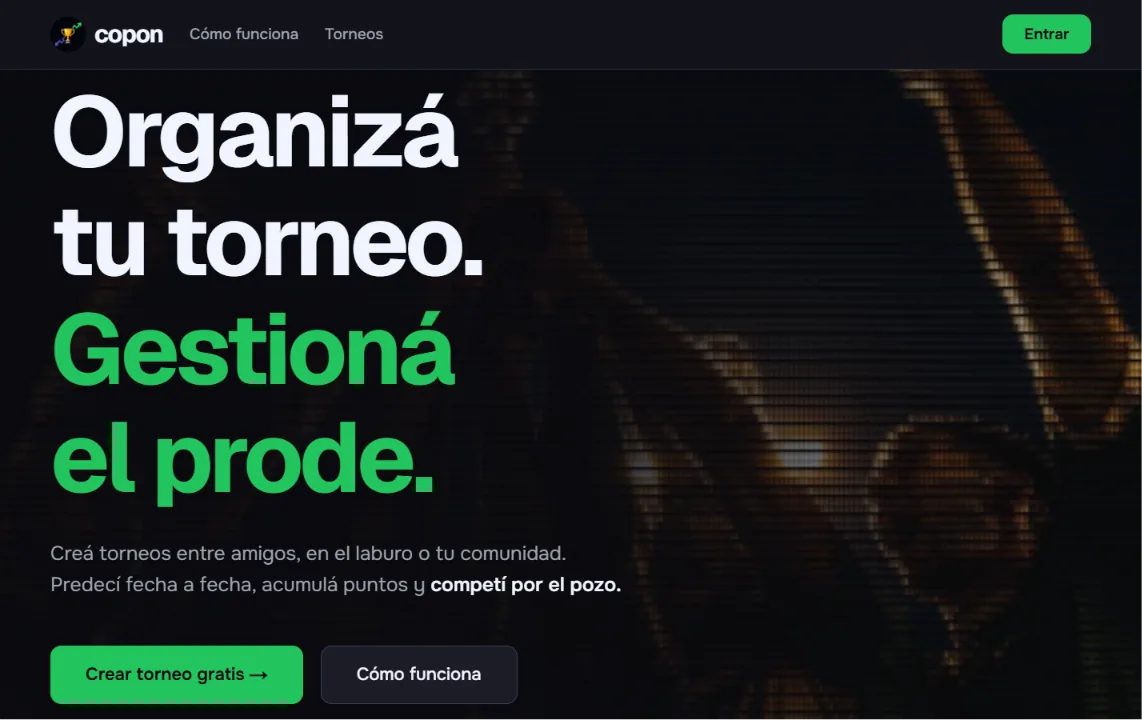 Copon2026Private football prediction tournamentsNext.jstRPCDrizzle ORMSupabaseTanStack Query, a platform to run private football prediction tournaments.
I learned to build a mobile first web app from day one, with a well defined UI before writing screens, on the T3 stack and working with AI through Matt Pocock's skills.
What I would change: I would have the project finished earlier, on a solid base, and only then expand it with new features.
Mudarg, TUERCA and finishing my degree
At the start of the year, while waiting for grades to close some courses, I set out to build projects around ideas I had been watching: Gaussian Splatting and travel times.
The second one became Mudarg
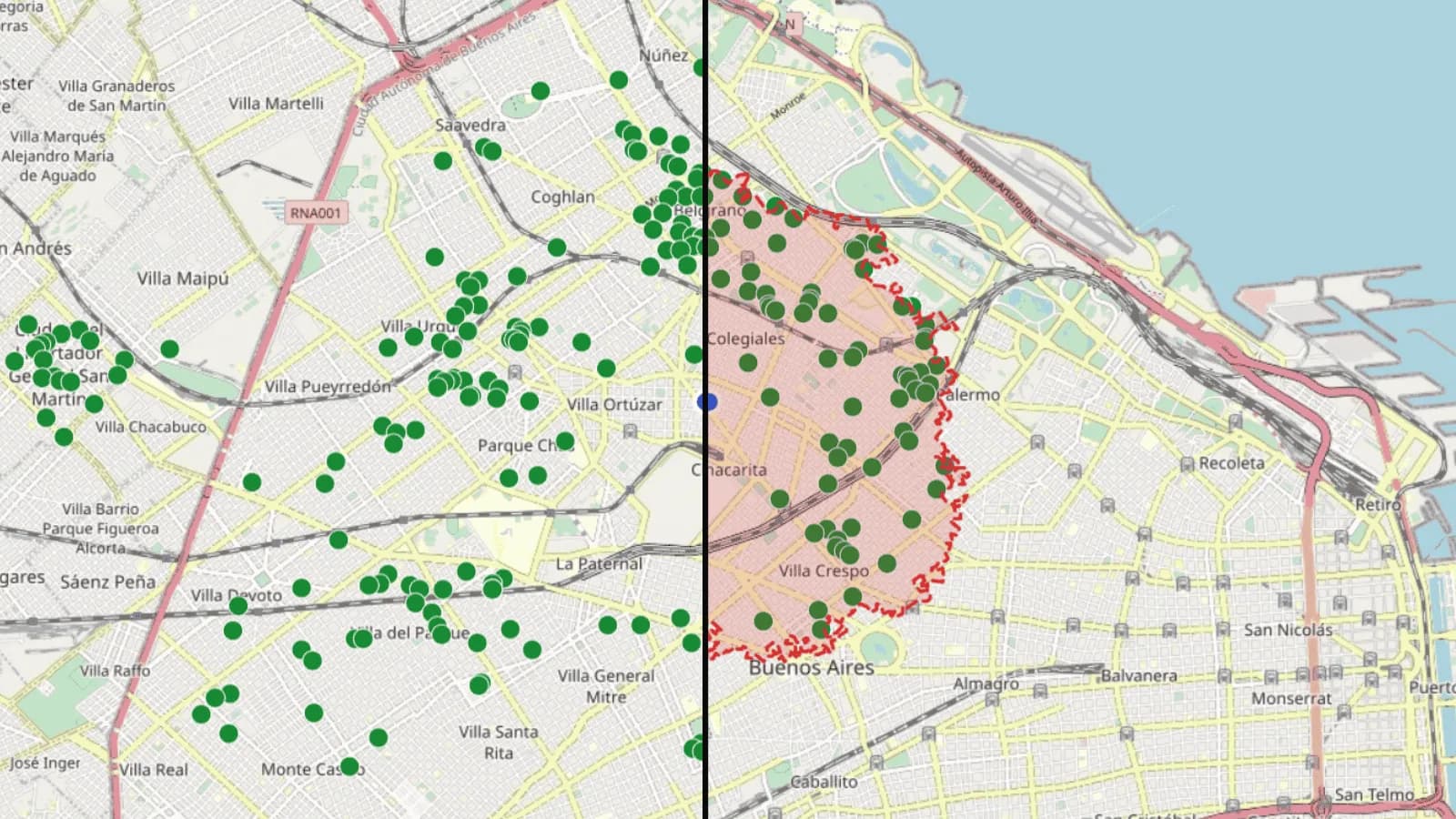 Mudarg2026Search properties by travel timeNext.jsReactSvelteWXTLeaflet. The idea was to see which areas are viable to live in, based on how long it takes you to get to work, or to any place that matters to you, by each mode of transport. It is a browser extension on top of a real estate portal, and the hardest part was drawing on a map you cannot touch. It had about five users: an extension is hard to grow, but the goal was to ship a complete extension to production on a stack similar to T3.
I also wanted to launch a product of my own: TUERCA
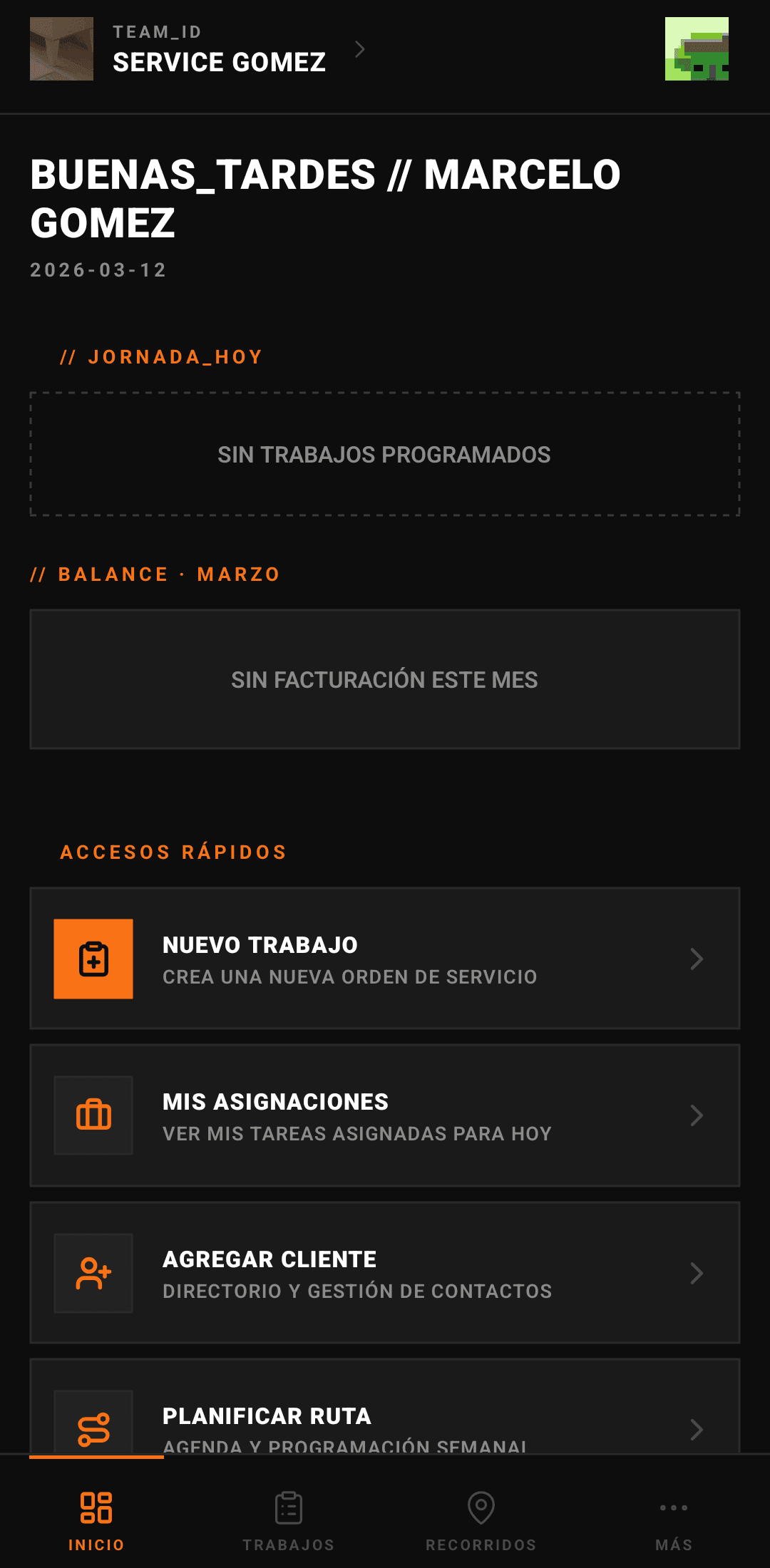 TUERCA2026Field service management from the phoneReact NativeExpotRPCDrizzle ORMPostgreSQL. It took me a long time to ship because I never considered it finished and kept adding features. One version reached Google Play and had about 20 active users for a few months, but finishing my degree left me no time to keep it going. It is the same lesson as Copon, from the other side: finish first, grow later.
Learning to work with AI
Monorepos, T3 and docs for agents
After the restaurant project I got interested in monorepos and the T3 stack. That is where multitenant-saas-base
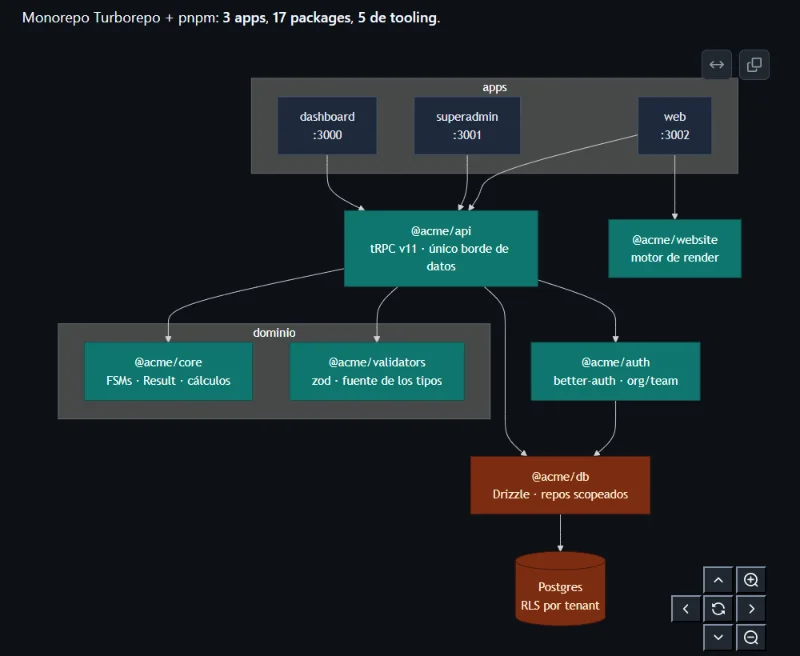 multitenant-saas-base2026Multi-tenant base with isolation enforced by PostgresTypeScriptNext.jstRPCDrizzle ORMPostgreSQL came from. I learned that a monorepo pays off when the system has users with hierarchies, and I learned a lot about user management: organizations, roles and permissions. I also spent time writing skills and documentation so that AI works on a project with the same context a person would have.
GSP
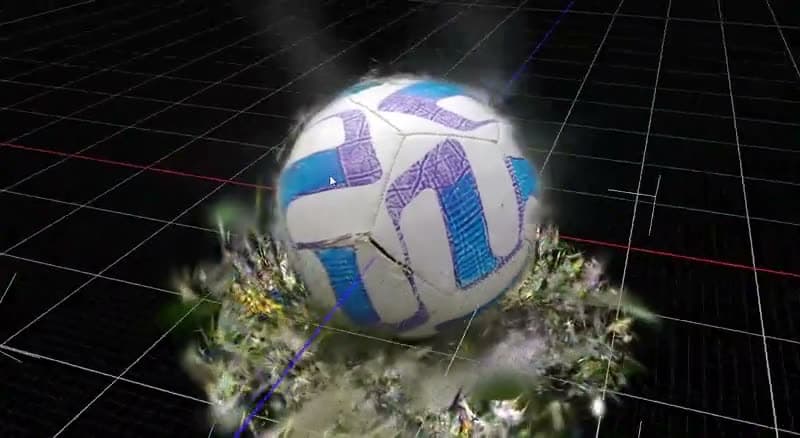 GSP2025Gaussian Splatting rendering platformNext.jsNode.jsPostgreSQLDrizzle ORMCloudflare R2 was an experiment for myself: a platform where you upload a video or a zip of images and the Gaussian Splatting is computed in the cloud, on a GPU rented in a pod. The flow worked end to end. The hard part was making the result look good: it takes trial and error again and again, and in the cloud every attempt is expensive. With your own GPU it is more viable, because you can tune the parameters without watching the clock.
A system for a restaurant
Docker and my own VPS
In my spare time I took on a job: a management system for a restaurant, Single Resto
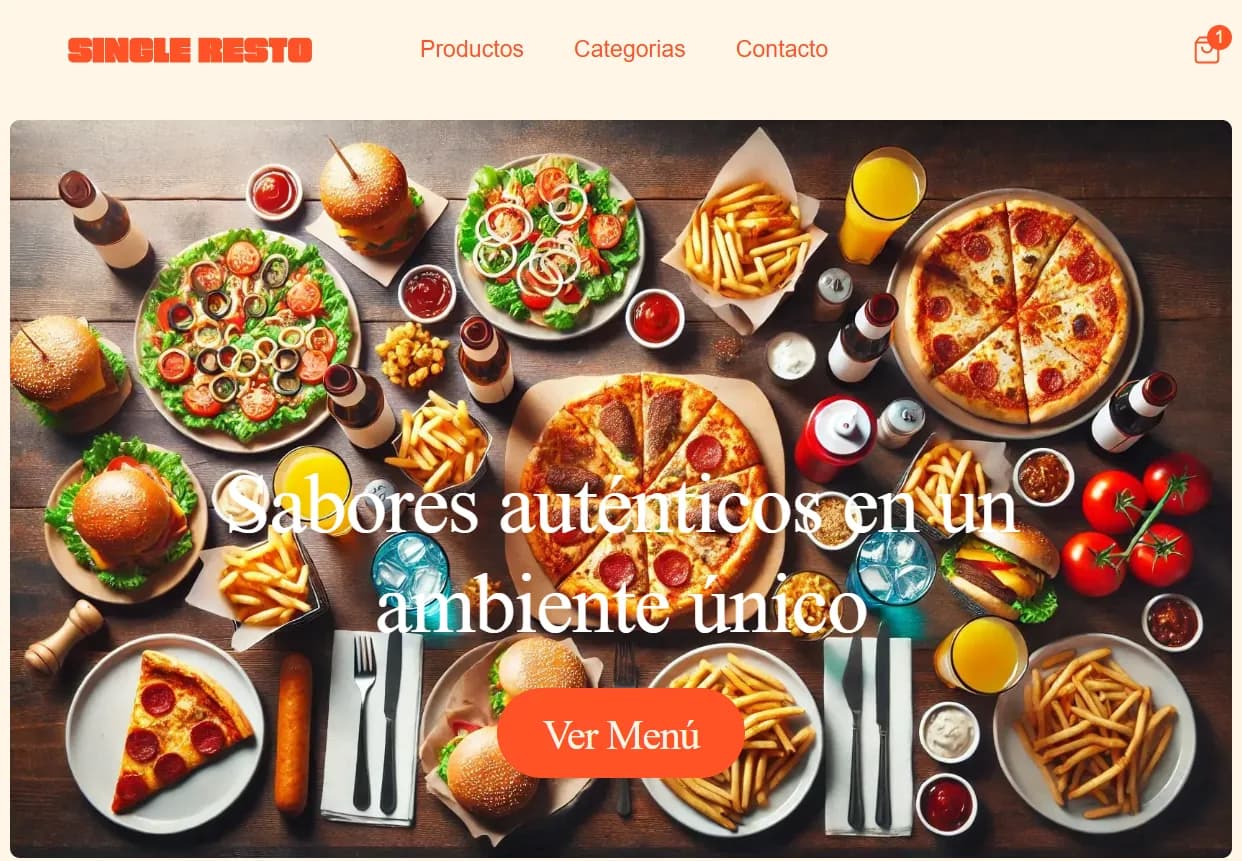 Single Resto2025Ordering site and dashboard for a restaurantNext.jsTailwindCSSReactDockermonorepo. It was before the AI coding boom. Copilot existed but I barely used it, so I wrote everything by hand, and it took me several months to go from zero to a finished product. It took real orders for a while.
The hardest part was Docker: using it well, shrinking the images and getting Next.js to run inside it, which was far less documented back then. Then my own VPS, where you do by hand everything Vercel does for you. I struggled a lot, but it left me with a good feeling: with your own machine you know what you spend and you understand what happens under the deploy. I also tried neverthrow in the server actions; the gap of serializing errors was solved for me by Effect years later.
Back to university
Team projects
After several personal projects I had lost my way and neglected university, so I refocused. I built team projects with Rust on Polkadot, Django, Flask and NestJS, one of them consuming APIs built by other teams.
I like working in a team and helping others. I learned that a team performs when each person takes what they do best and the issues are written before the work starts, so the work flows.
Bones in 3D
An anatomy atlas and React Native
Halfway through my degree, a friend who was preparing a textbook for an anatomy department at a medical school asked me for a website to view the bones of the human body in 3D, with annotations. That is how Atlas 3D
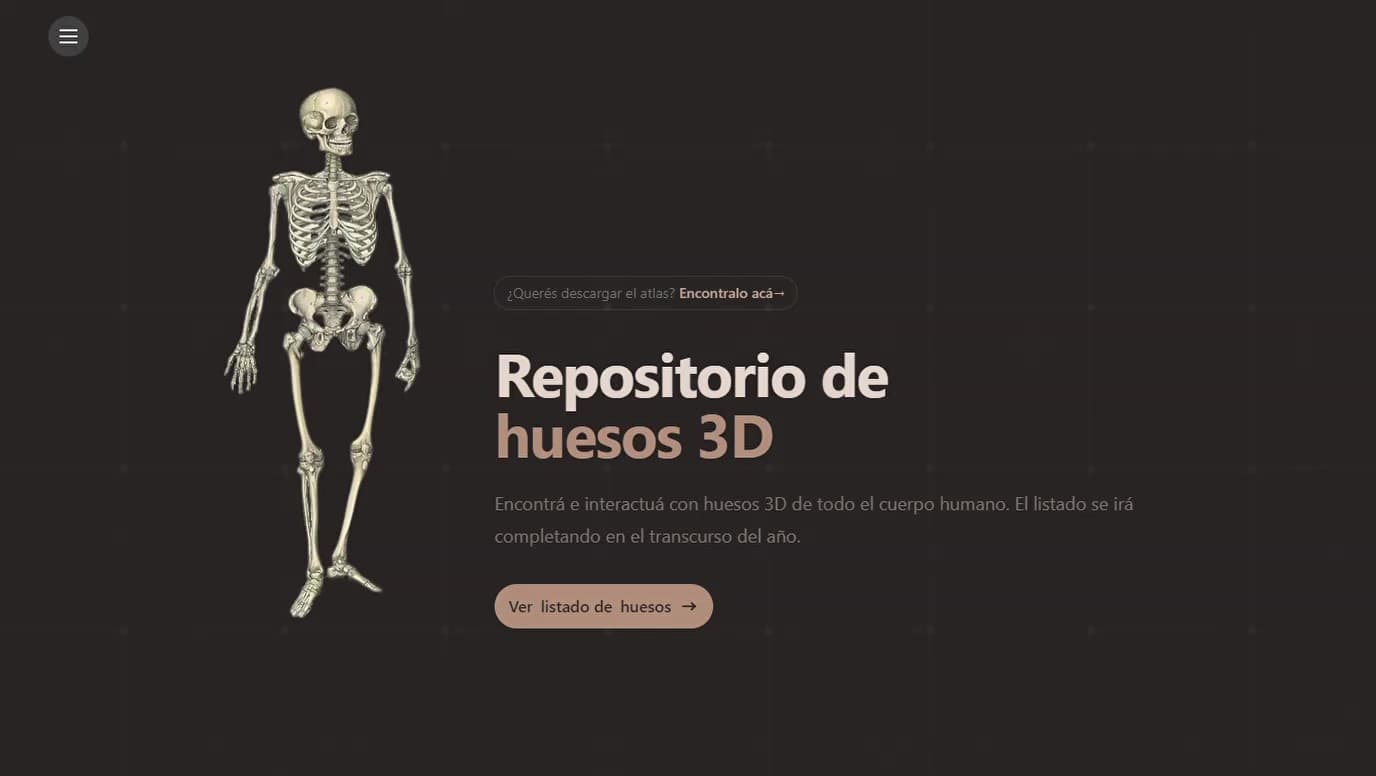 Atlas 3D2023Interactive anatomy atlas for a textbookNext.jsthreejsreact-three-fiberframer-motion was born, built from scratch.
The hard part was not the code: it was getting models with enough detail. We tried scanning and photographing real bones so a professional could model them, but it was slow and expensive. In the end every bone was there, with annotations on the most important ones, like the skull, and more than 100 students used it. Today, with Gaussian Splatting, those same photos would give a much better result.
Around that time I also learned React Native with F1 Stats 2023
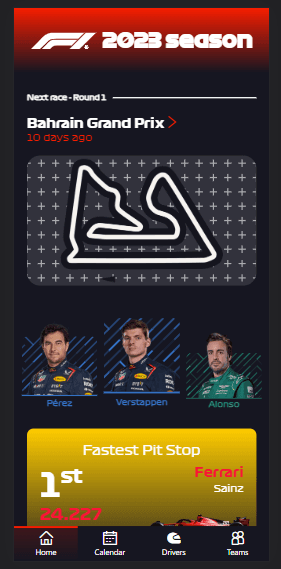 F1 Stats 20232023React NativeExpoJavaScript, and that it does not forgive what React does, especially with styles.
Projects to learn
Donatelo, Ventas A Services and Crafteadle
Donatelo
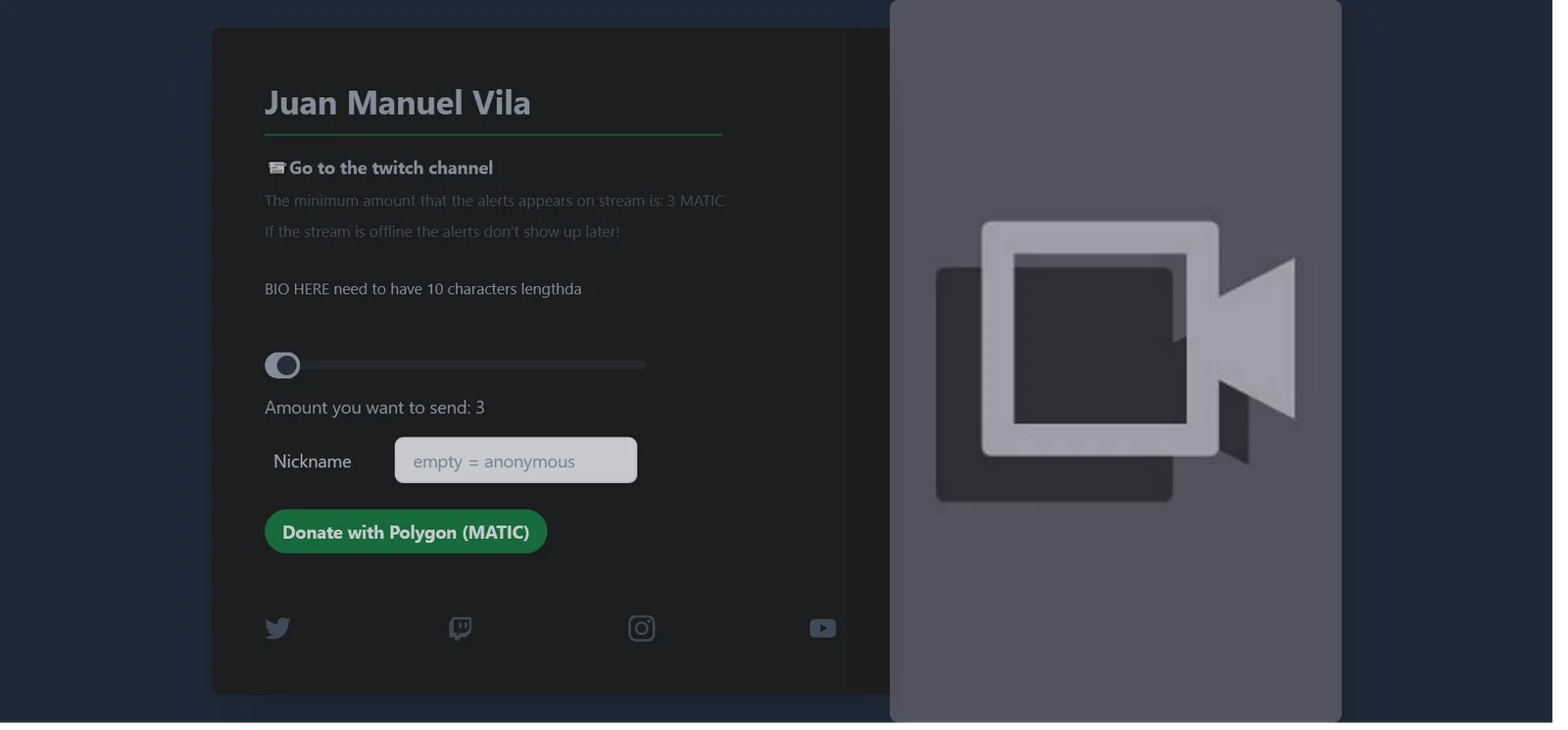 Donatelo2022ReactNode.jssocket.ioMongoDBethereum was born so streamers could receive donations in cryptocurrency. At the time, in Argentina, a donation through other channels lost about 80 % of its value.
Then I was offered a job, Ventas A Services
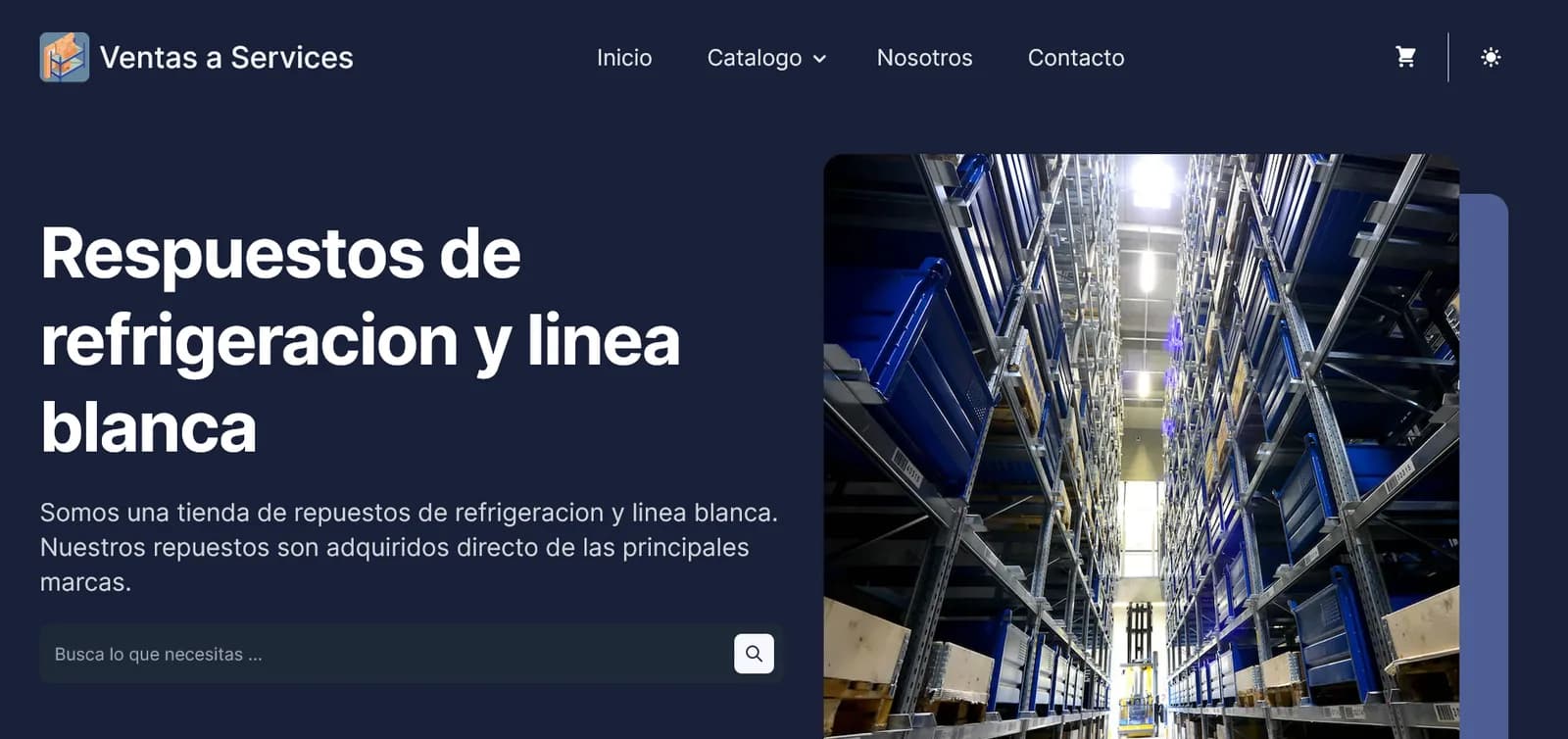 Ventas A Services2022Next.jsTailwindCSSMongoDB, where I learned the basics of AWS S3. To practice React, Next.js and animations I built small projects like Crafteadle, a mix of Minecraft and Wordle, and BM Music
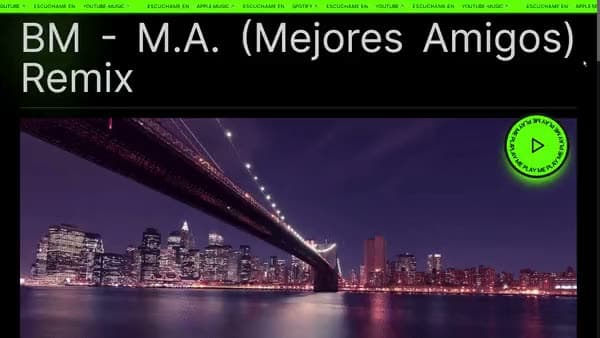 BM Music2024Artist LandingNext.jsTailwindCSSFramer Motion. React was hard for me: I came from server side rendering with Node.js, which seemed simpler.
From Electronics to Programming
MercadoService
I started with Electronics Engineering and I loved the physics and the math. But during the pandemic electronics turned into theory without practice, and the C programming course gave me what was missing: seeing the result right away, trying, failing and fixing.
That summer I learned JavaScript and Node.js and built MercadoService, a platform to book a technician at home. I was self taught and had no good practices, but I found out I was good at solving problems, and that Stack Overflow was paradise. I got hooked on the idea of solving everyday problems with software, and I switched to a University Programmer Analyst degree.
Chivilcoy
Where it started
I grew up in Chivilcoy, following my dad on every job: repairs, air conditioning installs in people's homes, whatever came up. I also spent time in friends' mechanic shops. I handed him the tools and watched him open a unit until he found why it would not start.
That left me with an idea I still use: everything is trial and error. You solve a problem, you learn from what went wrong, and next time you recognize it right away. Knowledge builds up that way, by solving things.